
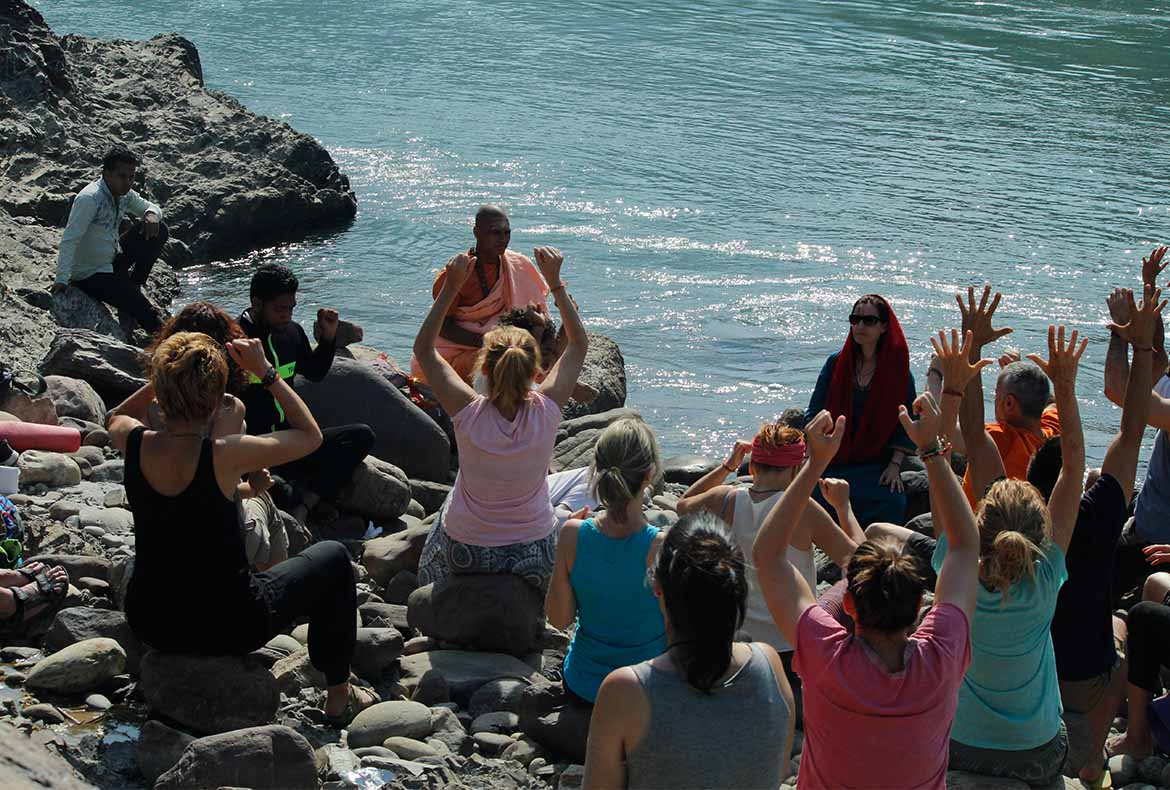
Best Kundalini Yoga Ashram Rishikesh, Swami Samarpan Ashram is a peaceful Kundalini Tantra yoga retreat nestled in Tapovan, Rishikesh, founded by the Himalayan master Swami Samarpanananda in 2006. As part of the Samarpan School of Yoga & Tantra, it offers authentic 200h–500h Yoga Alliance–accredited trainings and shorter Kundalini retreats in the traditional Guru–Shishya style. This post reviews the ashram’s history, programs, daily life, facilities, and visitor experiences. We also link back to our previous post on the Best Kundalini Yoga Ashram in Rishikesh for context.
Swami Samarpan Ashram serves serious yoga students and seekers. It operates as a charitable ashram and holistic center, emphasizing self-transformation through practice and service. We cover practical details (location, how to reach, costs), program options (Kundalini courses, schedules, teacher profiles), accommodations and food, plus real traveler feedback (pros/cons, suitability, safety). Finally, we suggest sample itineraries, FAQs, and SEO elements (title tags, meta description, keywords, and useful links). Our goal is a comprehensive, engaging travel/wellness blog piece about Swami Samarpan Ashram.
Introduction
Nestled on a quiet hillside above the Ganges, Swami Samarpan Ashram offers an authentic yogic experience in Rishikesh. The ashram is part of the Samarpan School of Yoga, which teaches Kundalini Tantra yoga rooted in the Shivananda and Bihar School of Yoga traditions. Established by Swami Samarpanananda (Guruji) in 2006, it embodies the ancient Guru–Shishya parampara (teacher–student lineage) in a Himalayan setting. (If you enjoyed our “Best Kundalini Yoga Ashram Rishikesh” post, you’ll find many complementary details here.) The Ashram’s mission combines yoga study with charitable work: it runs a non-profit hospital and education programs for locals.
The site boasts a simple temple and yoga shala among pine-covered hills. Daily life follows traditional ashram discipline. Guests live modestly, perform karma yoga (service), and partake in devotional rituals (pujas). The focus is on deep practice: meditation, mantra, pranayama, kriya and asana to awaken inner energy. Classes and pujas take place both in the yoga hall and open temple. Guruji (Swami Samarpanananda) and senior teachers lead the courses, blending Vedanta, Tantra and Kundalini wisdom. In short, this Ashram is for those seeking a true ashram immersion in Kundalini Yoga.
History and Lineage
Swami Samarpan Ashram was founded in 2006 by Swami Samarpanananda Saraswati – an Advaita monk and disciple in the lineage of Swami Shivananda and Swami Satyananda. Guruji Samarpanananda (often called Yogiraj) is a former political science professor who embraced spiritual life. He trained under Swami Chidananda Maharaj at the Yoga Vedanta Forest Academy and received Kriya Yoga from Lahiri Mahasaya’s lineage. His vision was to create a Himalayan gurukul (traditional school) that teaches “authentic yoga” with a charitable heart.
The Ashram is the headquarters of the International Samarpan Yoga Awareness Foundation (ISYAF), a non-profit registered in India. Its goals include educating rural communities and running a homoeopathic hospital and Vedic school (the Sri Swami Samarpan Sivananda Charitable Hospital) nearby. Today, SSA (Samarpan School of Yoga) in Tapovan collaborates with international branches (e.g. Samarpan School of Yoga & Tantra in Latvia) to spread its teachings worldwide.
In essence, the ashram’s lineage is rooted in the ancient yogic tradition of Sanatan Dharma. Guruji himself has engaged globally – giving speeches at the UN and Parliament of World’s Religions – but the ashram invites serious students of any nationality to live gurukul life locally. Visitors can also learn aspects of Tantra and Ayurveda here. The underlying philosophy combines Advaita (non-dualism) with Kundalini Tantra practices. All courses emphasize spiritual disciplines that have been passed down from master to disciple.
Kundalini Yoga Programs
Swami Samarpan Ashram offers multi-day Kundalini Tantra Yoga programs of various lengths:
200-Hour Kundalini Tantra Yoga TTC (Teacher Training Course, 21 days) – A comprehensive program covering asana, pranayama, mantra (Chandi Path), mudras, bandhas, chakra meditation, and yoga nidra. The 200h Kundalini course follows Yoga Alliance curriculum and integrates the Guru–Shishya tradition. Classes include Bhakti (devotional yoga, puja), Sanskrit chanting, and Karma Yoga service. The itinerary is rigorous (see sample schedule below). Yoga Alliance certification is available upon completion, and students of all levels (beginner to advanced) can enroll.
30-Hour Kundalini Tantra Yoga Retreat (7 days) – A short intensive retreat, blending Kundalini Tantra and Babaji Kriya Yoga techniques. This one-week course is ideal for newcomers or travelers with limited time. It combines daily kundalini chakra yoga and Kriya practices with mantra pujas and service. The schedule mirrors the ashram daily routine (see below) with early meditation and evening pujas. Course fee is about €299 (plus minor bank fees) and includes three vegetarian meals and shared dorm accommodation.
Kundalini & Kriya Combined Courses – The ashram also offers specialized 200h courses that integrate Babaji Kriya Yoga initiation. Guruji is a lineage holder of Lahiri Mahasaya’s Kriya Yoga, and he has tailored the Samarpan Kriya practice. For example, an intensive course covers Kundalini Tantra and Kriya Yoga in 21–28 days, led by Guruji himself. These advanced courses include secret mantras and meditation methods for deeper sadhana (though details are typically reserved for enrolled students).
300h and 500h Kundalini/Kriya YTT – For even more depth, Samarpan School of Yoga offers 300- and 500-hour Kundalini Teacher Trainings, often combining multiple modules (e.g. Tantra + Kriya + Advaita Vedanta). These longer courses are Yoga Alliance accredited and suitable for those who want to teach. (See official site for dates and syllabi of the 300h/500h courses.)
The styles taught are multi-disciplinary: while the focus is Kundalini Tantra, instruction also includes Hatha, Vinyasa, Vedanta philosophy, and Tantric rituals. For instance, the 200h Kundalini course description highlights asanas, pranayama, mantra chanting, mudras, bandhas, chakra theory, and Karma Yoga.
Teachers and Learning Environment
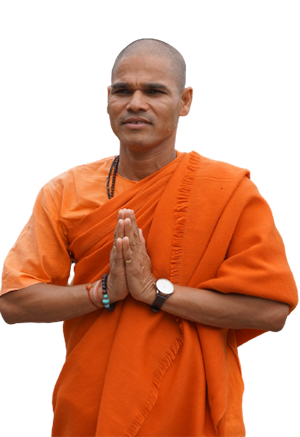
Guruji Swami Samarpanananda – The founder and chief guru, leads the Kundalini Tantra programs. He is an Advaita Vedanta monk trained at Sivananda Ashram (Rishikesh) and Yoga Vedanta Forest Academy. He has traveled to 55 countries sharing yoga wisdom, and his credentials include initiations from the Dalai Lama (Kalachakra Tantra) and Babaji’s Kriya Yoga lineage. Under his guidance, the course embodies Bhakti (devotion), Vedanta philosophy, and authentic Tantric methods.
Kapil Dev Bist, Rajeev, Yusuf – Team of resident teachers handling daily asana classes and alignment. For example, Kapil Dev is known for grounded Hatha and pranayama instruction; Yusuf brings an anatomical approach to keep practices safe and effective. The small group sizes (usually under 12 for YTT courses) allow personalized attention from this experienced faculty.
Together, the teaching staff ensures that both beginners and advanced students can progress. Instructors tailor alignment cues to individuals, and philosophical teachings (Karma Yoga, Vedanta, Tantra) are integrated at every level. Course materials (manuals, mantras, etc.) are provided, and a certificate (Yoga Alliance RYT) is issued upon completion of the 200h course.
Accommodation and Facilities
Swami Samarpan Ashram has simple, dormitory-style accommodation. The ashram is cash-only (per policy) and facilities match traditional yogic austerity. There are typically 8–10 rooms housing up to 16 guests. All rooms have basic furnishings (beds with pillows, fans, lights). Electricity and Wi-Fi are available but limited (no AC). Hot showers may be available seasonally.
Accommodation options (course residents):
| Option | Description | Price (₹/night) |
|---|---|---|
| Non-AC Twin | Shared (2p) room, common bath/toilet | ₹800 (1p)<br>₹1100 (2p) |
| AC Shared | Air-conditioned, shared bath/toilet (rare) | ₹1500 (1p)<br>₹1800 (2p) |
| Private AC | Private room (rare), common facilities | ~₹2200–₹2500 (est.) |
Food: Three satvic vegetarian meals are served daily (simple Indian fare). A typical menu might include dal (lentils), sabzi (vegetables), rice or roti, and seasonal fruits. Breakfast is light (porridge, fruit, or eggs), and dinner is usually the lightest meal. Meals are included in course fees. Note: There are no fancy restaurants; the cooking is traditional and homely. Snacks or special diets (e.g. vegan vs. dairy) can usually be accommodated if requested in advance.
Facilities: The ashram has a yoga hall (shala), meditation area/temple with statue of Shiva/Shakti, and a garden. On-site, there is also the Sri Swami Samarpan Sivananda Homoeopathic Hospital and an Anna-khetra for monks. Laundry service is possible (for a fee). Internet: Wi-Fi is limited to common areas; most guests use ashram time for unplugging (though Wi-Fi is listed as “available”). Safety features include CCTV and strict rules against alcohol or drugs on premises. Overall, facilities are basic but clean; reviewers note “simple, clean, quiet” as strengths.
Practical Details
Location: Tapovan, a peaceful suburb of Rishikesh. Exact address: Ghugtani Malli, Dholsut, Tapovan, Shivandanagar (Pin 249192). It lies above Lakshman Jhula (approx. 2.5 km from the famous iron suspension bridge). Nearest landmarks: Sri Omkarananda Ganga Bridge, nearby yoga schools and ashrams. Google Maps: Swami Samarpan Ashram, Rishikesh.
How to Reach: The closest airport is Dehradun (Jolly Grant; ~30 km, 45 min drive). The easiest option is a taxi from Dehradun airport (typically ₹800–1200). Alternatively, Haridwar (85 km) has trains and road links. Rishikesh town is 25 km away; from there one can take a local taxi/auto to Tapovan. The ashram is on a hill (“Ghughtani Malli” locality) – expect a short steep climb from the road. Several reviews mention it is “above the river” or “end of a steep climb”, reachable by car with luggage.Best Season: Rishikesh is hot in summer (Mar–Jun) and cold in winter (Dec–Feb). The ideal times for yoga retreat are Oct–Nov and Feb–April (pleasant days, cool nights). Monsoon (July–Sep) brings heavy rains, which may disrupt schedules. Evening meditation may be chilly in winter (no heating in rooms), so bring warm layers.
Fees and Booking: Course fees vary by program and include accommodation and meals. For example, the 200h Kundalini TTC is roughly €999 + €100 bank fee (approx. ₹90,000) for 24 days. Indian nationals pay special rates (currently ₹35,000). The 7-day retreat is €299 + €25. Prices may change annually; see the course calendar on the official site or request a quote via email. Payment is by bank transfer (customer covers fees) and is non-refundable.
For accommodations outside courses, the ashram also allows drop-in guests (minimum 3 nights) participating in karma yoga. Rates there are per night (see table above).
- Contact & Booking: Email: swamisamarpanashram@gmail.com. Phone/WhatsApp: +91-74528-65100. They reply within a day.
- (Note: The website is www.samarpanayoga.com, and the school also has samarpanyoga.org for YTT details.)
Ashram Rules: Guests must follow ashram discipline: wear modest clothing, observe silence during meals and from 8pm–8am, no smoking/drugs/alcohol anywhere. Couples must provide a marriage certificate to stay (as per rules). All visitors are expected to take part in scheduled classes and karma yoga (cleaning, kitchen help, etc.). ID proof is required at check-in, and payment is cash-only (do bring sufficient INR).
Visitor Experience
Overall traveler feedback for SSA is positive. On aggregate review sites (e.g. PlanetOfHotels, Momondo), ratings hover around 7.5–8.7/10. Guests praise the peaceful, quiet location far from Rishikesh’s crowds. The environment is “very clean” and rooms are “basic but comfortable”. Many mention enjoying the authentic ashram vibe and warm hospitality. For example, one traveler wrote: “Swami was a great host… stayed in a truly authentic, humble yoga ashram”. The Ashram’s own residents and cooks (like “Swami Pyare” cited in a review) prepare “good, simple vegetarian food”, and the daily schedule gives a structured spiritual routine.
Pros (as per reviews): Quiet, serene atmosphere; value-for-money; friendly host/Swami; peaceful hilltop setting; simple but tasty vegetarian meals; authentic Gurukul feeling. PlanetOfHotels notes “comfort provided…staff…cleanliness…exceptional value”.
Cons/Considerations: The remoteness means it’s less convenient than city ashrams – it’s a hike uphill if carrying luggage. Facilities are very basic: some reviews mention cold nights (no heaters, shared baths, occasional power cuts) and “no AC” in nearly all rooms. Few guests commented that the owner (Swami Samarpan) can seem strict or stern, but many viewed this as keeping discipline. Another minor con: limited drop-in classes (the schedule is geared to full-course students).
Safety & Health: The ashram enforces a sober, healthy environment. No alcohol or drugs are allowed. Smoking is restricted (likely only in certain areas or not at all). There is free Wi-Fi in common areas, so connectivity is available for emergencies or light work. The environment is family-friendly for adults (children are not allowed). There’s a first-aid kit on-site, but no formal medical care at the ashram itself (though the affiliated hospital is nearby). Visitors should have good health; advanced yoga or pranayama practices may not be suitable for serious heart/respiratory issues. The ashram requests a medical clearance (self-declaration of health) before intensive courses.
Beginner vs. Advanced: Swami Samarpan Ashram caters to all levels. The one-week and 200h courses accept beginners (see BookYogaTeacherTraining notes: “Skill level: Beginner, Intermediate, Advanced”). Novices can learn foundational breathing, asanas, and mantra under patient guidance. The ashram’s traditional approach, however, implies discipline: even beginners must be comfortable with early mornings, long days, and silence. Experienced yogis will find deeper tantric practices and advanced meditation available. In short, it is suitable for anyone eager for a full immersion; the ashram’s motto is that “Samarpan Yoga is evolving… suitable for everyone from beginners to adepts”.
Program Comparison and Pricing
| Program | Duration | Hours (Yoga/Service) | Fee (approx) |
|---|---|---|---|
| 30-hour Kundalini Retreat | 7 days (Sun–Sun) | 18h classes + 12h karma | €299 + €25 bank fee |
| 200-hour Kundalini TTC | 24 days | ~200 total (incl. karma) | €999 + €100 bank fee |
| 200h Kundalini+Kriya TTC | 21–28 days | 200h (includes Kriya) | (similar to 200h Tantra course) |
| 300/500h Kundalini TTC | 30–60 days | 300h or 500h (incl. yoga) | See official schedule |
(All include shared accommodation, 3 meals/day, study materials, and Yoga Alliance certification. Discounts sometimes apply off-season.)
Sample 3-Day Itinerary (Kundalini Retreat)
Day 1: Arrive between 3–5pm (Sunday check-in), meet staff. Evening opening puja/Arati at ~6:30pm, followed by a light welcome dinner and orientation. Early bedtime for 6:00am start.
Day 2 (Mon): 06:00–07:30 – Wake up, hot drink, morning arati puja. 07:30–09:30 – Kundalini Chakra Yoga class (asanas + pranayama). 09:45–10:15 – Light breakfast. 11:00–13:00 – Karma Yoga (ashram seva tasks). 13:00–14:00 – Lunch & rest. 14:00–16:00 – Yoga philosophy or anatomy class. 16:00–17:00 – Alignment workshop / asana practice. 17:30–18:00 – Temple puja. 18:00–19:00 – Dinner. 19:30–21:00 – Self-study or guided meditation (depending on retreat). Lights out by 21:00.
Day 3 (Tue): Same schedule of morning puja and yoga, breakfast, Karma Yoga, and midday break. In the afternoon: a second yoga session (perhaps Kundalini Kriya or mantra workshop). Continue evening puja and dinner. You would begin to see the daily rhythm stabilize. Engage fully in meditations and ask teachers about any questions in Q&A time. Depart Wednesday morning (or stay on if part of longer course).
A 3-day plan assumes a short retreat; longer stays simply continue the same routine. Guests leaving before a Sunday check-out should arrange extra nights of accommodation and pro-rate the fee.
FAQs
What styles of yoga are taught at Swami Samarpan Ashram?
Primarily Kundalini Tantra Yoga (including chakra kriyas, Tantra pranayama, mantra, mudras). Other forms offered include Hatha, Ashtanga, Vinyasa, and Yoga Nidra. Also Vedanta philosophy and Bhakti yoga (puja, chanting) are integral to all programs.Is Swami Samarpan Ashram good for beginners?
Yes, the short courses (like the 7-day retreat) are beginner-friendly. The 200h TTC also accepts novices. That said, all programs involve early mornings, daily pujas, and physical classes, so a basic fitness level is needed. Teachers adjust postures to suit beginner bodies. Beginners should inform instructors of any limitations.What accommodation and food are provided?
Course fees include shared dormitory rooms (twin beds, fans/no AC) and 3 vegetarian meals per day. (Shared bathrooms; private rooms only via upgrade option.) The menu is Indian veg fare; tea/coffee and drinking water are available. Outside course schedules, guests can drop in with a 3-night minimum, pay per night (₹800–1100), and must join in karma yoga.Are there any health/safety concerns?
The ashram enforces no alcohol, smoking or drugs. It’s clean and spiritual. Visitors should be mindful that power outages can occur and it may be chilly (no heating). Hot drinks, basic first-aid and hospital are available nearby. Intense practices (e.g. advanced pranayama) might require guidance. Medical clearance is requested for teacher trainings.How do I book a course or visit?
Email swamisamarpanashram@gmail.com or WhatsApp +91-74528-65100 with your desired dates. Full payment instructions are emailed. For Yoga Alliance TTCs, plan at least 2 months ahead. Check the Samarpan School website for the latest schedule and any special offers.What should I pack?
Bring light yoga clothes (long and short-sleeved), layers for cool mornings/nights, comfortable modest attire for pujas (no shorts/tank tops in temple). Essentials: travel adapter, personal toiletries, any medications, and cash (INR) for extras or donations. Swami Samarpan often advises no excess expectations — instead, bring an open mind and willingness to serve.
Suggested Links
- Official Site (Courses & Info): Samarpan School of Yoga – Swami Samarpan Ashram (RSS).
- Samarpan Yoga Facebook: Swami Samarpan Ashram page (for updates and photos).
- TripAdvisor: “Swami Samarpan Ashram” reviews (view pros/cons from travelers).
- Google Maps: Map & Directions to SSA.
- Yoga Alliance: (Search for Samarpan courses; they are YA-registered).
SEO Elements
- Suggested Title Tag: “Swami Samarpan Ashram Rishikesh – Kundalini Yoga Retreat & Teacher Training”
- Meta Description (≤160 chars): “Swami Samarpan Ashram in Tapovan, Rishikesh offers authentic Kundalini Tantra yoga courses (200h, 30h) in a tranquil Himalayan setting.”
- Target Keywords: Swami Samarpan Ashram, Kundalini Yoga Rishikesh, Yoga Teacher Training Rishikesh, Tapovan ashram, Swami Samarpanananda, Yoga Ashram India, Kundalini Retreat Rishikesh.
Swami Samarpan Ashram is a top choice for Kundalini seekers in Rishikesh. With its authentic lineage, dedicated teachers, and serene mountain setting, it lives up to the standards of a true Gurukul. Whether you’re a beginner wanting an introduction to chakras and mantra, or an advanced practitioner seeking deep practice, the Ashram offers a supportive yet disciplined environment. We hope this guide gives you a clear picture of what to expect. If the Ashram’s mission resonates with you, consider booking a program or retreat – you can directly contact the Ashram via their official email/WhatsApp. For more Rishikesh yoga travel tips, check out our other posts. Hari Om!
Give a Reply