
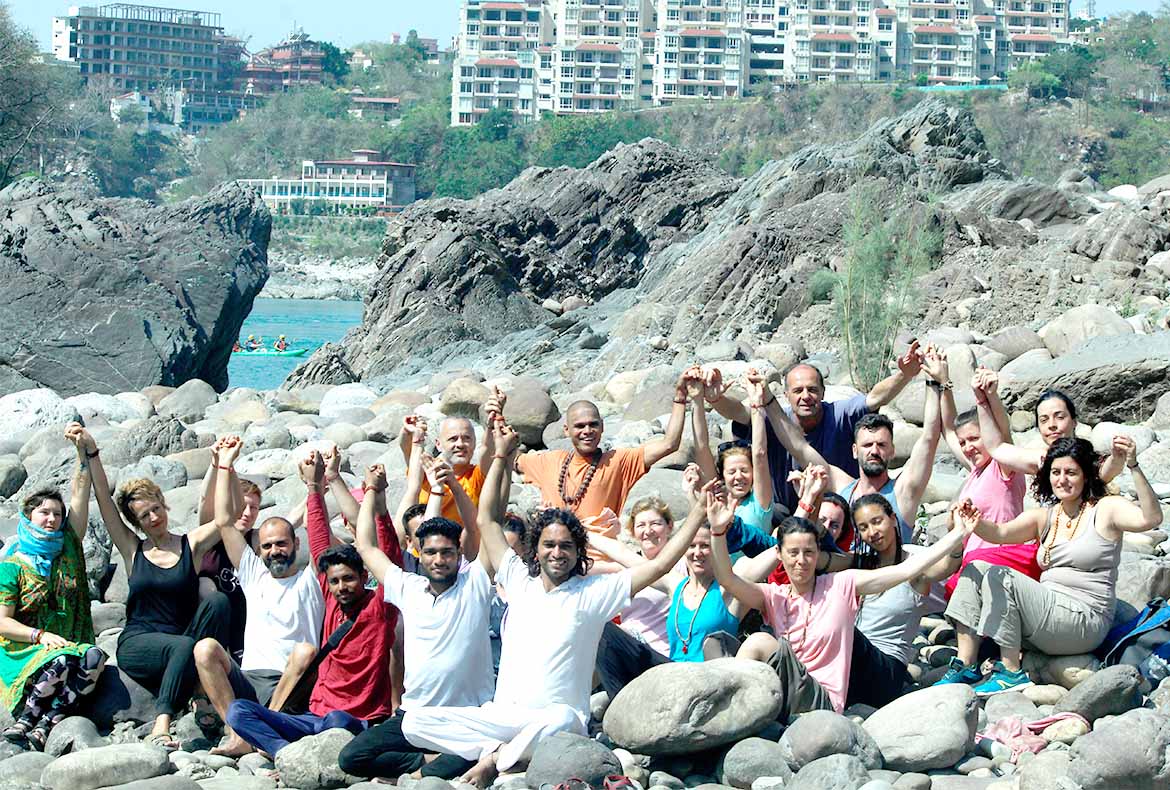
Samarpan School of Yoga & Tantra in Rishikesh offers a uniquely authentic and immersive path into Kundalini Tantra yoga. Founded by Swami Samarpanananda Saraswati—a direct disciple in the Bihar School of Yoga lineage—Samarpan provides Yoga Alliance–accredited 100h/200h/300h/500h trainings rooted in traditional Guru–Shishya (teacher–student) practices. The school’s mission is to preserve the Himalaya’s ancient yoga traditions while guiding students toward “Moksha (Enlightenment)”. Its Gurukul-style ashram in the foothills above Rishikesh offers daily yoga, meditation, mantra and karma-yoga (selfless service), creating a transformative environment. Courses run in-person at the ashram (Lakshman Jhula), with live online options now available (with a 10% discount). Samarpan’s structured curriculum blends multi-style yoga (Ashtanga, Vinyasa, Hatha), Tantra philosophy, chakras, pranayama and mantra, taught by Himalayan masters from the Satyananda/Shivananda tradition. Graduates earn Yoga Alliance certification and often go on to teach internationally. In short, Samarpan’s USP is its combination of ancient lineage, holistic ashram lifestyle, comprehensive Kundalini-Tantra pedagogy, and recognized certification, making it a compelling choice for students seeking depth and authenticity.
History and Mission
Samarpan School of Yoga & Tantra traces its roots to Swami Samarpanananda Saraswati (b. 1972), who took sannyasa as an ashram disciple in Rishikesh and trained under Paramahamsa Niranjanananda of the Bihar School of Yoga. In 2001 he founded the International Samarpan Yoga Awareness Foundation (ISYAF), and over two decades has built Samarpan into a residential Gurukul. The school explicitly follows the Shivananda and Bihar Yoga lineage. Its mission is to teach “classical, traditional, lineage-based” yoga and tantra practices in an authentic Gurukul setting. As its website states, Samarpan invites students to “live, practice and learn in an authentic Ashram in the Guru Shishya … tradition,” guiding practitioners “from basic asanas to Moksha (Enlightenment)”. Charitable projects (an Ayurvedic hospital and free meals for sadhus) are part of this mission, reinforcing Samarpan’s ethos of service and yogic lifestyle.
Curriculum and Course Structure
Samarpan offers progressive teacher-training levels: 100‑hour, 200‑hour, 300‑hour and 500‑hour Kundalini Tantra Yoga courses. These run predominantly as full-time residential programs (typically 10 days for 100h, ~3 weeks for 200h, ~5–6 weeks for 300h; the 500h standard is a consolidated continuation of the 200h+300h programs). All courses are Yoga Alliance–accredited (RYS 200/300/500) and include a daily schedule of practices. Each day generally begins with morning puja and meditation, followed by pranayama and chakra-focused chanting, then asana practice (often integrating kundalini-specific bandhas and mudras), afternoon lectures, and evening kirtan or chanting. Classes also include Karma Yoga (service) and periods for self-study or rest. For example, the 100h intro course (10 days) covers foundational Tantra yoga elements—asanas, pranayama, mantras, mudras, bandhas and chakras—aimed at awakening the subtle energy (Kundalini). The 200h program (~20–21 days) builds on this with deeper studies of chakra theory, mantra science (e.g. Durga Saptashati mantras), and teacher-practice sessions. Advanced 300h (roughly 45 days) and 500h (extended/combined) trainings further integrate Tantra philosophy, kriya techniques, anatomy & philosophy, culminating in full-spectrum teaching skills.
(Mermaid timeline: Sample course progression from foundational 100h to 500h training.)
Each course follows Samarpan’s syllabus on core themes. The 100h curriculum, for instance, integrates “Asanas, Pranayamas, Mantras, Mudras, Bandhas, Chakras, Karma Yoga and Yoga Nidra”. As the hours progress, students delve into advanced practices (Kundalini kriyas like Nauli, Vajroli Mudra), subtle anatomy (kundalini chakras, energy channels), and Tantra scriptures. Course materials (manuals, chanting sheets) and daily guidance ensure a systematic coverage of Hatha, Tantra and Kriya yoga as per the Satyananda lineage. (For a concise view, see the table below.)
| Course Level | Duration & Format | Curriculum Highlights | Certification |
|---|---|---|---|
| 100-hour | ~10 days (full-time in Rishikesh) | Intro to Kundalini/Tantra: foundational asanas & pranayama, chakra awareness, mantras, mudras, bandhas, karma yoga/service, basic philosophy. | Yoga Alliance 100h Certificate |
| 200-hour | ~3 weeks (21 days residential) | Intermediate practice: deeper mantra & chanting (e.g. Durga chanting), advanced bandhas (Mula, Uddiyana), yoga nidra, alignment, group teaching practice. Daily sunrise puja & meditation routine. | RYT-200 (Yoga Alliance) |
| 300-hour | ~5–6 weeks (45 days residential) | Advanced training: Tantra/Yoga philosophy, anatomy, Swara and Subtle Breath, Kriya yoga techniques. Emphasis on teaching methodology, pathology, and Yogic lifestyle for personal transformation. | RYT-300 (Yoga Alliance) |
| 500-hour | ~8+ weeks (combined 200+300) | Master Level: Full spectrum integration of Tantra and Yoga (advanced Kriya, Kaivalya points, Bhairav & Kundalini Tantra philosophy). Prepares for senior teaching/training roles or Yoga therapy. | RYT-500 (Yoga Alliance) |
Each program includes interactive theory lectures, group discussions, mantra initiation, plus a structured daily schedule with two practice sessions and meditation (e.g. morning puja, evening kirtan). Samarpan also offers shorter retreats and weekly courses (e.g. 21‑hour workshops) for newcomers or continuing practice. All modalities (in-person Ashram and live online) share the same curriculum standards.
Teacher Qualifications and Lineage
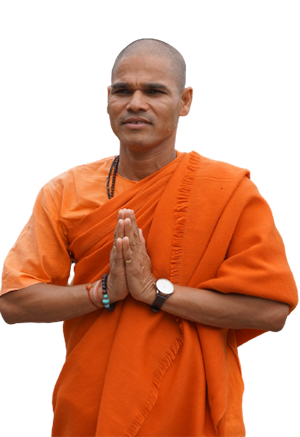
The school’s teaching lineage is a major selling point. Swami Samarpanananda Saraswati, the senior Guru, trained under Paramahamsa Niranjanananda Maharaj (Bihar School) and is part of the Shivananda/Satyananda tradition. He holds E‑RYT-500 certification from Yoga Alliance, reflecting decades of practice and teaching. The resident faculty similarly includes Swami-trained Himalayan masters and advanced yogis, many of whom have Himalayan ashram experience. Instructors bring expertise in Tantra mantra, Hatha/Vinyasa asana, anatomy and Ayurveda. Their teachings emphasize the ancient guru–disciple parampara: students often receive individual guidance and spiritual mentorship.
Swami Samarpanananda’s lineage ties back to the Bihar School of Yoga (Satyananda tradition) and beyond, integrating wisdom from ancient Himalayan lineages.
Beyond credentials, Samarpan’s unique advantage is the presence of a living Guru in the ashram. Swami Samarpanananda still performs sadhana (meditation, puja) daily, and disciples can directly learn chanting, Vedanta philosophy and bhakti practices from him. The lineage trace (through Satyananda to Adi Guru Shankara) ensures authenticity: Samarpan’s Tantra methods are not “modern westernized” tantra but rooted in classical teachings. Guest lecturers (e.g. for Vedic astrology, Ayurveda) further enrich the faculty. All teachers are multilingual (course languages are English/Hindi) and focus on student safety and depth.
Teaching Methodology and Safety/Ethics
Samarpan combines traditional methods with modern pedagogical care. The approach is holistic: daily yoga practice is balanced with meditation, mantra recitation and Karma Yoga (service) to cultivate discipline and integrate learning. Classes are structured yet immersive. For example, a typical day includes morning temple puja and chanting, two hours of pranayama/meditation, asana alignment sessions, then interactive theory or philosophy lectures in the afternoon. Ethical living is enforced: meals are sattvic vegetarian, and students observe the Ashram’s code (no alcohol, nonviolence, respect for teachers). These guidelines ensure that intensive Kundalini practices occur in a safe, grounded context.
Safety is a priority. Instructors emphasize foundational techniques (e.g. thorough warm-ups, gradual pranayama) before advanced exercises. They monitor students closely during awakening practices. The intimate class size (typically under 20) means personal attention. Emergency protocols and rest days (Sundays off) are built in. Importantly, Samarpan upholds traditional Brahmacharya (celibacy/control of passions) during the course, and explicitly distinguishes Indian Tantra (a path of consciousness, not sexual mysticism). This guarantees an ethically sound environment unlike some “neo-Tantra” programs.
Certification and Career Pathways
Upon completion, students receive an internationally recognized Yoga Alliance certificate: RYT-200 for the 200h course, RYT-300 (or 500 combined) for advanced programs. These credentials allow graduates to register as yoga teachers worldwide. Career pathways include: teaching yoga classes or Kundalini workshops; leading international retreats; opening ashram-style studios; or integrating Tantra methods into existing yoga therapy or healing practices. The deep philosophy and meditation training also equip practitioners for spiritual counseling or advanced studies (e.g. in Tantra, Vedanta, Ayurveda). Samarpan specifically prepares students to safely guide others through Kundalini awakening, a skill valued in the broader yoga market. (Some alumni have gone on to found yoga centers globally or become certified Yoga Alliance RYS teachers.)
Student Experience and Alumni Outcomes
Students consistently remark on the transformational ashram experience. Living on-site (generally shared dorms in the ashram campus) fosters a tight-knit community. Daily rituals—such as Aarti, mantra singing (kirtan) and group meditations—create profound personal insights. Course alumni often describe breakthroughs in self-confidence, emotional balance and spiritual awareness. As one review notes, the ashram curriculum provides “tools to overcome self-defeating tendencies,” teaching practitioners to observe the mind and find contentment under any circumstance.
Reviews and testimonials (on booking sites and Samarpan’s media) highlight the supportive “family” atmosphere: students are guided gently out of comfort zones, with elder yogis available for personal guidance. Many graduates become life-long students or teachers: for example, Samarpan’s Facebook shows alumni organizing follow-up retreats abroad. While no formal career-tracking data is public, the combination of Yoga Alliance certification plus the school’s reputation (noted by blogs and forums) has helped dozens of alumni secure teaching positions or start their own Yoga schools after Samarpan.
Facilities and Location
Samarpan School of Yoga is located at Swami Samarpan Ashram (Tapovan, Lakshman Jhula, Rishikesh). Nestled on a hill above the holy Ganges, the campus is quiet and lush. The ashram includes multiple yoga halls/shalas, a meditation garden overlooking the river, and classrooms. Outdoor spaces (gardens, riverbank) are used for morning Satsang (spiritual gathering) and evening chanting. Basic amenities (shared rooms with yoga mats, vegetarian meals in a communal dining area) facilitate simple living. Free Wi-Fi, laundry, and a library of yogic texts are provided.
Importantly, the ashram complex also houses the Sri Swami Samarpan Shivananda Charitable Hospital, an Ayurvedic clinic for locals. This has two benefits: it aligns with the school’s service ethos, and gives students optional exposure to Ayurveda (guest lectures on health or Ayurveda massage are often part of retreats). The location itself is idyllic: students enjoy Himalayan views, the soothing sound of the Ganga, and proximity (20–30 minute walk) to Rishikesh town. Organized excursions (temple visits, river rafting) are sometimes included in longer courses, adding to the cultural immersion.
Pricing and Scholarships
Samarpan’s official materials do not list fixed tuition online. (A booking listing notes “21 days/20 nights” packages with fees that vary by accommodation.) In practice, costs depend on course length and room type; based on similar schools, one might expect 200h programs in Rishikesh to range from ≈$900–$1500 (all-inclusive), though exact rates were unspecified on available sources. Samarpan offers a 10% discount on online (live virtual) courses. For Indian nationals, special pricing may apply (e.g. one banner mentioned ₹35,000 for a 200h yoga TTC). Financial aid or scholarships are not prominently advertised. However, Samarpan does accept donations and has periodic discounts for early booking. Prospective students should contact the school directly or via agents to request the latest fee schedule. (Note: prices in yoga teacher training vary yearly and often exclude visa, flights and travel insurance.)
Competitor Comparison
| School / Program | Features & Style | Duration | Price Range | Certification | Location |
|---|---|---|---|---|---|
| Samarpan School of Yoga | Traditional Himalayan lineage; multi-style (Tantra, Kriya, Hatha/Vinyasa); living Guru; full ashram life. Daily meditation & service. Emphasis on inner transformation. | 100h (10d), 200h (3w), 300h (6w), 500h (extended) | Unspecified (likely ~$1000 for 200h) | Yoga Alliance RYT-200/300/500 | Rishikesh, India (Tapovan Ashram) |
| Kundalini Yogashala (Rishikesh/Goa/Bali) | Focused on Kundalini tradition blended with Hatha/Vinyasa. Global presence (India/Indonesia). Includes cultural activities (rafting, kirtan). 100/200/300h courses. 10+ years in biz. | 100h (11d), 200h (24d), 300h (26d) | 200h from ~$799 | RYT-200/300 (Yoga Alliance) | Rishikesh, Goa, Bali |
| Kundalini Yoga Ashram (Rishikesh) | Specialized in Kundalini Kriya (Yogi Vishnu lineage). Strict discipleship; Satvic diet; small batches (≤20). 200/300/500h TTC. Emphasizes safety and family environment. | 200h (~21d), 300h (~36d), 500h (extended) | Unspecified (comparable to peers) | RYT-200/300/500 Yoga Alliance (self-affiliated) | Rishikesh, India |
| Mukta Kundalini Tantra Yoga (Goa) | Traditional Kundalini Tantra (female founder). Non-dual, inclusive Tantra (no sexual practices). Small groups. 200h TTC in South Goa. Emphasizes mystic philosophy. | 200h (3w); short retreats (1–2w) | Unspecified (boutique niche) | Yoga Alliance (RAI) | South Goa, India |
Each of these schools is Yoga Alliance–certified, but they differ in approach. Samarpan’s unique selling points are its genuine Gurukul lifestyle and lineage (living guru, ashram hospital, all-inclusive ashram campus) and a curriculum that spans multiple yoga styles under one roof. By contrast, Yogashala and the Kundalini Ashram focus narrowly on kundalini kriyas, and Mukta specializes in a particular Tantric philosophy. In pricing, Samarpan’s fees are competitive (often mid-range for India TTCs); Yogashala advertises budgets from ~$799 for 200h, while the boutique Goa program likely costs more per person. Overall, Samarpan offers a broader, deeper “full-spectrum” training with international recognition.
Risks and Contraindications
While Kundalini Tantra yoga can be powerful, it’s not appropriate for everyone. Samarpan screens participants and emphasizes readiness. As one competitor warns, individuals with serious mental health issues (severe anxiety, depression, PTSD) may experience exacerbation from intense energy work. Those with heart/circulatory problems, high blood pressure or pregnancy should also exercise caution or consult a doctor. Beginners are strongly encouraged to have a basic Hatha foundation and meditation experience before diving in. Instructors at Samarpan adjust practices for beginners, but conscious intake is advised. Physical risks (strain from advanced asanas, breath practices) are mitigated by gradual progression and supervision. Students with any doubt are counselled to start with gentler courses (e.g. 100h Hatha) before intensive Kundalini. In all cases, Samarpan maintains an open dialogue about well-being: any practitioner can rest or modify at any time, and adherence to satvic diet and rest days supports a safe practice.
Frequently Asked Questions
-
Q: Do I need prior yoga experience?
A: A basic background in yoga, pranayama or meditation is highly recommended before undertaking intense Kundalini/Tantra training. This ensures safety and comprehension. Samarpan’s 100h introductory courses are open to beginners and cover fundamentals; however, the advanced practices in 200h+ trainings assume familiarity with basic postures and breath control. A qualified instructor will guide you step-by-step. -
Q: Is Samarpan’s certification recognized internationally?
A: Yes. Samarpan courses are registered with Yoga Alliance USA for 200h, 300h and 500h programs. Graduates receive a RYT credential, enabling them to teach globally. This is on par with other leading schools (e.g. Kundalini Yogashala’s RYT-200/300). -
Q: What is the daily schedule like?
A: Training days are intensive yet structured. Students typically start at dawn with chanting/puja, then two practice periods (morning and afternoon), interspersed with lectures and service. For example, a representative schedule includes a 6:45am mantra puja, 7–8:30am pranayama & chanting, 8:30–10am asana session, followed by karma yoga, and afternoon classes. Evenings may have kirtan or meditation. Sundays are free for rest or personal study. -
Q: Are meals and accommodation included?
A: Yes. Courses are all-inclusive: vegetarian meals (Ayurvedic-style) and shared dorm lodging on the ashram are provided. The diet is simple yogic fare, with no meat, alcohol or stimulants allowed. If you have dietary restrictions, you must inform the school. -
Q: What if I can’t come in person?
A: Samarpan now offers live online versions of its courses (with a discount). These cover the same curriculum but students practice at home. Contact the school for schedules and technical requirements. -
Q: Are scholarships available?
A: The website does not list scholarships for teacher training. However, Samarpan does run volunteer “Seva” programs for lower-income aspirants (see Seva/Volunteer Course offerings). For formal training, most students self-fund or find standard online application resources. Inquiries about any available support can be made to the school directly.
Conclusion
Choosing Samarpan means joining a living tradition. If you seek a deep, authentic Kundalini Tantra education—one that honors a Himalayan lineage and integrates complete ashram life—Samarpan School of Yoga & Tantra is uniquely positioned to deliver. Its internationally accredited programs combine rigorous practice with spiritual guidance. Prospective students can visit samarpanyoga.org for detailed course schedules or contact the admissions office to start their transformative journey. By enrolling, you embark on a path from foundational postures all the way to advanced awakening, fully supported by experienced teachers and a dedicated Gurukul environment. Invest in your growth: the ancient wisdom awaits you at Samarpan.
Give a Reply